Choosing what’s next

a Home That Supports the Life You’re Living Now

After decades in the same home buying again can feel very different than it did earlier in life. This decision is rarely about simply finding something smaller, it’s about finding something that fits the way you want to live now. At this stage, choosing a new home involves thoughtful consideration of lifestyle, long-term comfort, and how your home will support you in the years ahead. The goal isn’t just to move, it’s to move well.

In the sections below, we’ll explore housing options that often appeal to long-time homeowners considering a change, and walk through how to:

- Evaluate fit beyond square footage
- Consider features that support comfortable living many years to come
- Explore the market and understand what options are available

When approached intentionally, the next home you choose can offer greater simplicity, flexibility, and peace of mind while still supporting the lifestyle you’ve worked hard to build.

Overlay divider enabled. Exit edit mode to view.
Overlay divider set to: arrow and will be aligned to the: Default position Bottom of the Above block.

Housing Options That Support This Phase of Life

Bungalows

Bungalows can offer both financial efficiency and long-term practicality.

Single-level living reduces reliance on stairs, supports easier mobility over time, and helps minimize the likelihood of needing another move later. Financially, simpler layouts and lower maintenance needs can reduce ongoing costs while maintaining strong resale appeal.

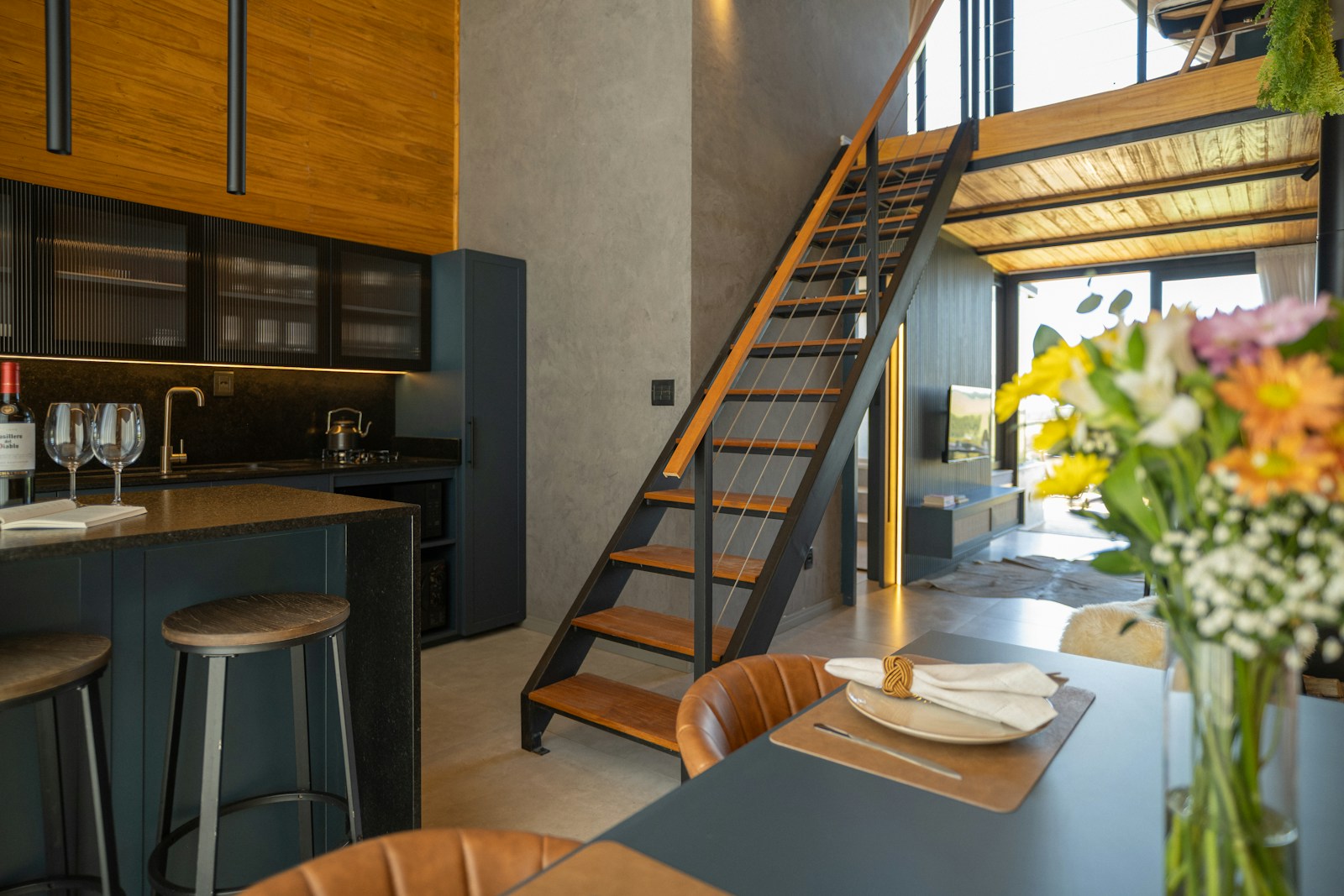
Bungalofts

Bungalofts combine main-floor living with flexible additional space.

With essential living areas on the main level, they support long-term comfort and mobility. The loft adds room for guests, hobbies, or work — without committing to a full two-storey layout.

A bungaloft offers practical simplicity with the flexibility to adapt over time.

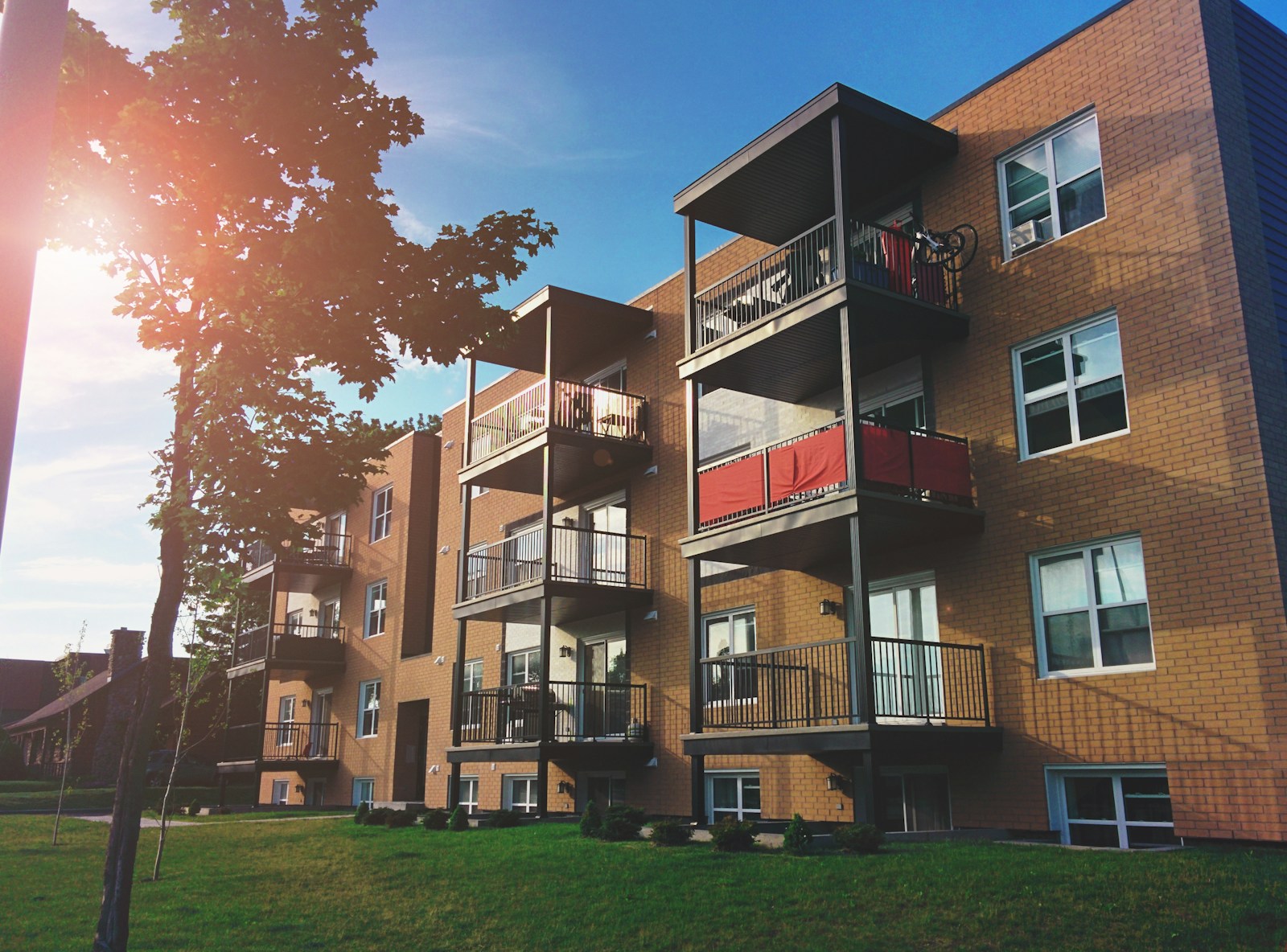
Condo Apartments

Condos offer simplicity, predictability, and ease

Many condominiums offer single-floor living, with everything on one level and elevator access where needed. This  supports long-term comfort, easier mobility, and the ability to remain comfortably at home as needs evolve.

Exterior maintenance, landscaping and building upkeep are handled for you, while monthly fees replace many of the unpredictable repair costs that come with maintaining a larger property.

For many long-time homeowners, condo living offers the opportunity to simplify daily responsibilities while staying connected to the amenities, neighbourhoods and lifestyle they enjoy.

Leasing

Freeing equity for your life ahead

Some long-time homeowners choose to lease when downsizing as the equity built over decades can be redirected toward retirement savings, travel, family support, or other lifestyle priorities.

With leasing, maintenance and major repairs are typically handled by the property owner, while monthly rent becomes a predictable housing cost that can be comfortably built into a retirement budget.

For many at this stage, leasing provides flexibility and peace of mind allowing them to enjoy the benefits of a new home without the long-term responsibilities of ownership.

Co-ops & life leases

Budget friendly COMMUNITY-FOCUSEd LIVING

Life lease and co-operative housing offer alternatives to traditional ownership. Rather than purchasing the property outright, residents purchase the right to occupy a unit long-term while the building itself is owned by an organization or co-operative.

These communities are often designed with older adults in mind, including accessible layouts, shared amenities, and a strong sense of neighbourhood. 

Many can be resold later, allowing residents to recover their investment while benefiting from a community-focused lifestyle, often at a lower price than a condo.

How to Evaluate Fit Beyond Square Footage

Clarifying What This Move Is Really About

At this stage of life, downsizing doesn’t have a single definition.For some, it means simplifying daily responsibilities and moving into a home that requires far less maintenance.For others, it means staying close to the community they’ve known for years while choosing a property better suited to the way they live today. Some are drawn to vibrant, walkable neighbourhoods with restaurants, cultural events, and amenities nearby while others prefer the peace and space of a quieter setting.

Before exploring listings, it’s worth taking a step back to reflect on what this move is truly meant to accomplish for you.

- Is it about simplifying your lifestyle?
- Protecting your independence for the years ahead?
- Freeing up time and energy for travel, hobbies, and family?
- Ensuring your home continues to support you comfortably as life evolves?

Understanding the purpose behind the move helps ensure the next home you choose reflects the life you’re living now and the one you want to create in the years ahead.

Use the prompts below to help identify what matters most

What is Driving This Move?
Lifestyle Direction: Which environment feels more aligned right now?

Reflection: Does my next home need to energize me, calm me or connect me?

Non-Negotiable Realities
Financial Intentions
Long-Term Perspective

Considerations for Aging in Place

If you’re making this move with the intention to age in place, forward-thinking design matters and planning ahead now can prevent reactive moves later.

Here are some features in your next home that you may want to consider:

Main-floor primary bedroom

Minimal stairs

Wider doorways and hallways

Walk-in showers

Lever-style handles

Elevator access in condominiums

Access to nearby healthcare services

Market research Strategies

Thoughtful exploration builds confidence and reduces emotional decision-making. The more familiar you become with the market and your preferences, the more confident and measured your eventual decision will feel. Here are practical steps you can take:

Ask your realtor to set up customized property alerts.

Automatic listing notifications help you understand pricing, inventory levels, and how quickly homes are selling.

Request regular market updates.

Monthly summaries keep you informed about trends without requiring constant monitoring.

Attend open houses.

Even homes that aren’t a perfect match help you refine your criteria and understand layout, finishes, and neighbourhood feel.

Book private viewings of promising properties.

Some homes feel very different in person than they do online. Touring selectively sharpens your sense of fit.

Spend time in neighbourhoods you’re considering.

Walk the streets. Visit local shops. Test commute times. Observe activity levels at different times of day.

Ask friends and family about their experiences

Learn what surprised them — both positively and negatively — in their own transitions.

Compare true monthly ownership costs

Look beyond purchase price and evaluate taxes, condo fees, utilities, and maintenance expectations.

Monthly Market update

SUBSCRIBE TO STAY UP-TO-DATE WITH LATEST NEWS AND TIPS

MONTHLY MARKET UPDATE

Start Your Property Search

Up-to-date listings at your fingertips!

The trademarks REALTOR®, REALTORS®, and the REALTOR® logo are controlled by The Canadian Real Estate Association (CREA) and identify real estate professionals who are member’s of CREA. The trademarks MLS®, Multiple Listing Service® and the associated logos are owned by CREA and identify the quality of services provided by real estate professionals who are members of CREA. Used under license.